
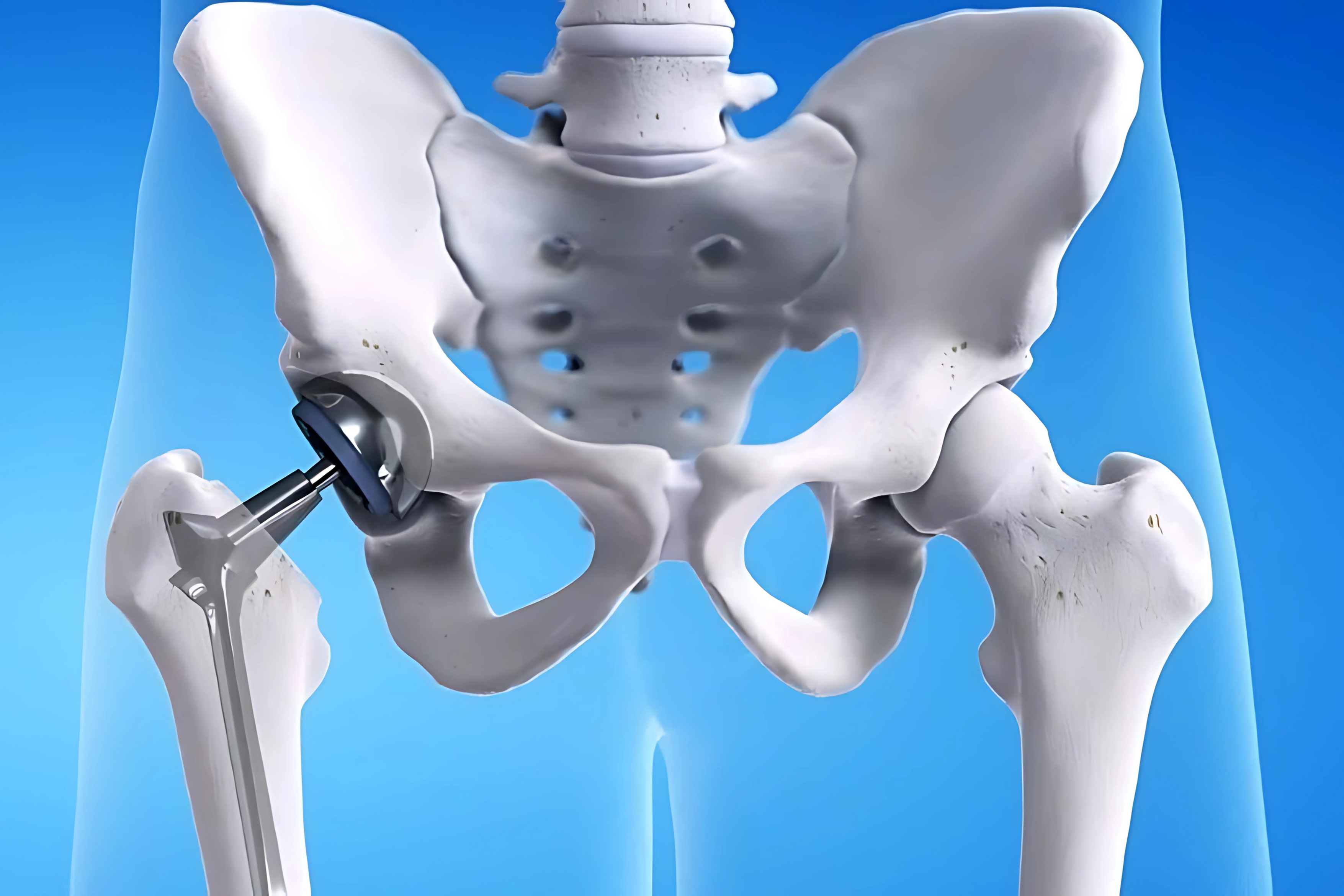
Hip replacement surgery is an effective surgical method used to treat advanced damage in the hip joint. This procedure aims to improve the patient’s quality of life, restore mobility, and enable a pain-free lifestyle. In Istanbul, orthopedic specialist Op. Dr. Lütfü Tatlı has been providing professional care in this field for many years. In this article, we will comprehensively cover the hip replacement surgery process, key considerations, and the postoperative recovery phase in accordance with health advertising regulations.
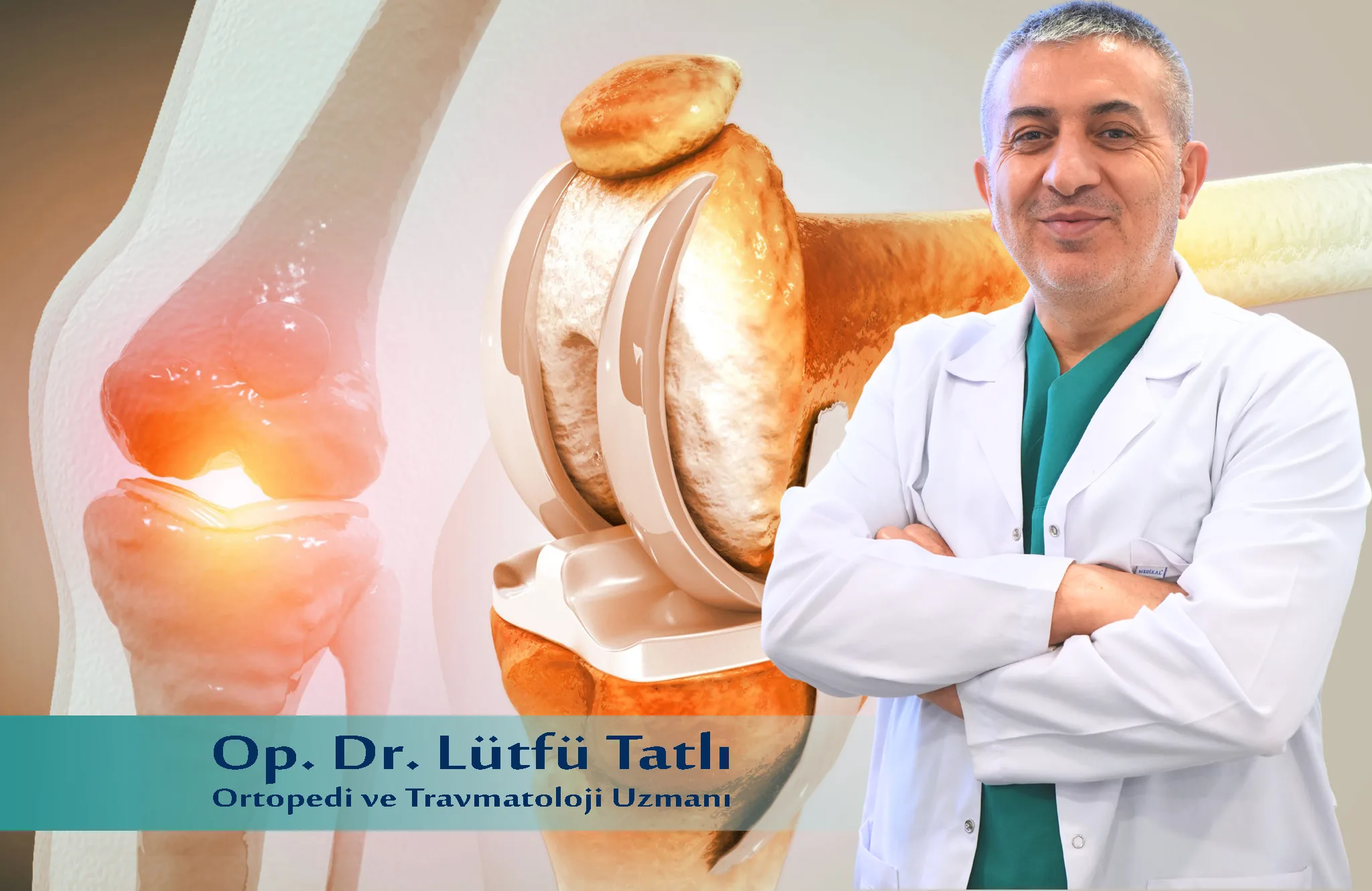 Kalça Protezi Ameliyatı ve Cerrahi Süreci
What Is a Hip Prosthesis?
A hip prosthesis involves replacing the damaged hip joint with an artificial one. These prostheses are typically made of metal, ceramic, or durable plastic materials. Hip replacement surgery is commonly performed in cases of trauma, osteoarthritis, rheumatoid arthritis, hip dislocation, or fractures that result in serious joint disorders.
The primary goal of the surgery is to reduce joint pain, improve mobility, and help the patient regain independence in daily life.
Preoperative Evaluation and Preparation
Before hip replacement surgery, a detailed evaluation process is conducted. During this phase, the patient’s general health, bone structure, and the extent of joint damage are assessed. Led by Op. Dr. Lütfü Tatlı, this process includes a personalized treatment plan based on each patient’s unique medical history.
Typical preoperative steps include:
• Radiological imaging (X-ray, MRI) to analyze joint structure
• Blood tests and lab evaluations
• Review of current medications
• Guidance on nutrition, smoking cessation, and physical preparation
How Is Hip Replacement Surgery Performed?
Hip replacement surgery is usually performed under general or spinal anesthesia and typically lasts between 1.5 to 2 hours. During the procedure, the damaged bone and cartilage surfaces of the hip are removed and replaced with a prosthesis tailored to the patient’s anatomy.
Minimally invasive surgical techniques using smaller incisions are commonly preferred today, allowing for faster recovery. In Istanbul, Op. Dr. Lütfü Tatlı adheres to scientific guidelines and ethical standards throughout every stage of the surgical process.
Types of Hip Prostheses
Hip prostheses vary based on the materials used and the surgical approach. The most common types include:
• Total Hip Prosthesis (Total Hip Arthroplasty): Both the femoral head and the socket in the pelvic bone are replaced.
• Partial Hip Prosthesis (Hemiarthroplasty): Only the femoral head is replaced.
• Ceramic or Metal Prostheses: Ceramic surfaces offer longevity, while metal-supported models are known for their durability.
Prosthesis selection depends on the patient’s age, activity level, and bone structure. Dr. Tatlı provides detailed guidance to help patients choose the most suitable option.
Postoperative Recovery Process
The postoperative period is crucial for the success of hip replacement treatment. Patients are typically monitored in the hospital for a few days after surgery.
The goal is for the patient to stand within the first 24 hours. Physical therapy and rehabilitation programs play a vital role in this phase. Targeted exercises help maintain muscle strength and improve joint mobility.
Key postoperative considerations include:
• Using a cane or walker as recommended
• Avoiding excessive strain
• Keeping the wound area clean
• Attending regular follow-up appointments
With proper management, most patients return to normal life within 6 to 8 weeks.
Benefits of Hip Replacement Surgery
When performed with the right indications and by an experienced surgical team, hip replacement surgery offers numerous benefits:
• Reduction of chronic pain
• Restoration of daily mobility
• Noticeable improvement in quality of life
• Long-lasting prosthesis use
• Low complication risk with safe surgical techniques
A well-managed rehabilitation process supports the long-term success of these benefits.
Potential Risks and Precautions
As with any surgical procedure, hip replacement surgery carries certain risks. These may include infection, prosthesis loosening, blood clots, or leg length discrepancies. However, such complications are rare when the procedure is managed by an experienced orthopedic specialist.
Op. Dr. Lütfü Tatlı informs patients about these risks beforehand and takes necessary precautions to ensure a safe and successful surgical outcome.
Life After Hip Replacement Surgery
After surgery, patients can extend the life of their prosthesis by making lifestyle adjustments. Regular exercise, maintaining a healthy weight, and attending follow-up appointments are essential.
Avoiding sudden movements and high-impact sports helps prevent excessive pressure on the prosthesis. These long-term precautions enhance durability and reduce the need for revision surgery.
Regaining Pain-Free and Comfortable Mobility Through Successful Hip Replacement Surgery
Hip replacement surgery opens the door to a pain-free, mobile, and comfortable life for individuals with advanced joint damage. In Istanbul, orthopedic specialist Op. Dr. Lütfü Tatlı offers a safe treatment process backed by scientific expertise and experience. This article is intended for informational purposes in accordance with health advertising regulations and does not constitute personal diagnosis or treatment advice.
For hip joint-related conditions, individual examination and expert consultation are the most appropriate steps.
Follow Orthopedic and Traumatology Specialist Op. Dr. Lütfü Tatlı on Instagram!

