
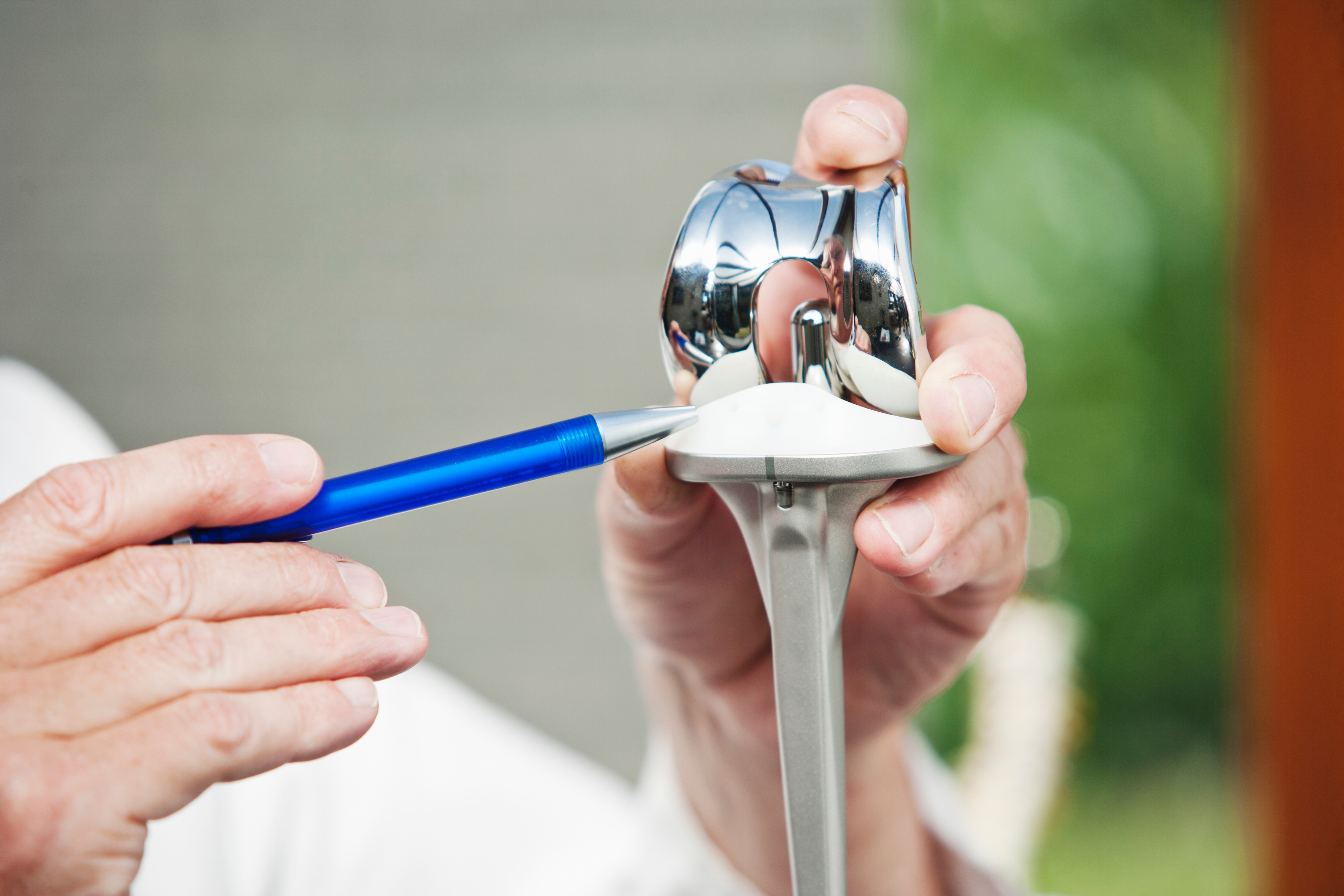
Knee replacement surgery is a modern surgical treatment method aimed at relieving movement limitations and pain caused by severe damage, osteoarthritis, or deformities in the knee joints. This condition, which negatively affects daily life, significantly reduces quality of life, especially in older adults. Knee prosthesis restores damaged joint surfaces with specialized medical materials, offering patients a pain-free, comfortable, and active life. When performed by experienced hands, this surgery yields successful results and provides lasting comfort with proper rehabilitation. Below, you’ll find all the details about knee arthroplasty.
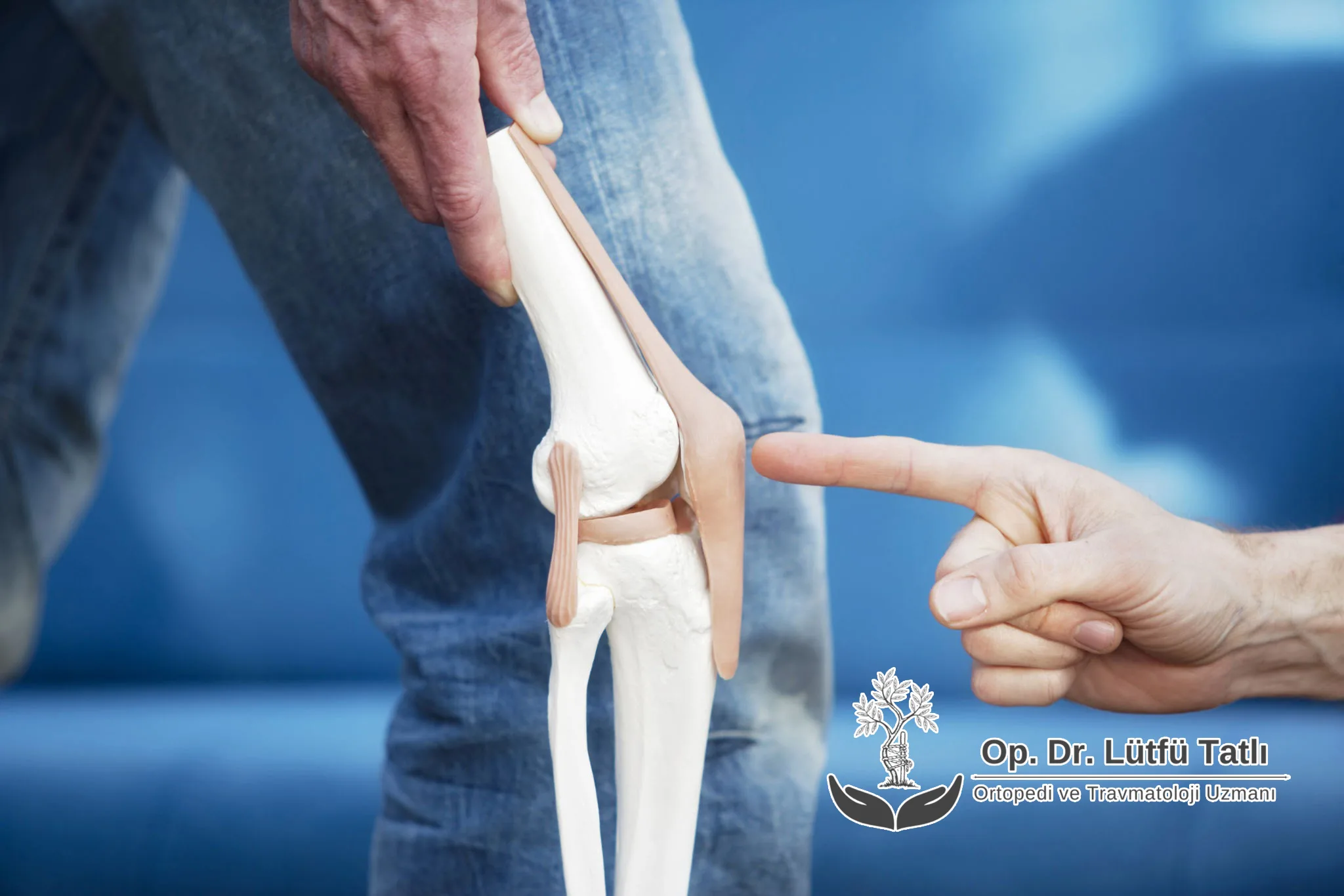 Diz Protezi Ameliyatı ve Cerrahi Süreci
Knee Replacement Surgery: Regaining Healthy Movement
Knee replacement surgery is a preferred surgical method in cases of advanced osteoarthritis, deformities, or trauma-induced damage in the knee joint. Performed by Op. Dr. Lütfü Tatlı and his team, this procedure aims to eliminate pain, stiffness, and movement limitations that reduce quality of life. In this article, we comprehensively cover the surgical process, preoperative preparations, postoperative recovery, and key considerations.
What Is a Knee Prosthesis?
A knee prosthesis involves replacing damaged joint surfaces with special metal and polyethylene components. These prosthetics mimic the natural structure of the knee and reduce friction between joint surfaces during movement, enabling pain-free walking. Typically made from medical-grade titanium and high-density polyethylene, they are durable and biologically compatible.
Who Is Knee Arthroplasty Suitable For?
Knee replacement surgery is generally recommended for patients with advanced osteoarthritis, rheumatoid arthritis, post-traumatic joint deformities, or cartilage wear. It is a suitable option in the following cases:
- Severe knee pain unresponsive to medication and physical therapy
- Difficulty with daily activities (climbing stairs, walking, sitting/standing)
- Increased knee pain at night
- Joint deformities or inward/outward rotation issues
Op. Dr. Lütfü Tatlı creates personalized treatment plans for each patient, selecting the most appropriate prosthesis type based on joint structure, age, and overall health.
Preoperative Preparation for Knee Replacement Surgery
The preoperative phase is crucial for a successful outcome. Evaluations include:
- General health assessment via blood tests, ECG, and chest X-ray
- Detailed joint imaging with MRI and X-rays
- Cardiology and anesthesia consultations if needed
- Review of medications and chronic conditions
Dr. Lütfü Tatlı and his team guide patients through this preparation to ensure a safe surgical process.
Knee Replacement Surgery and Procedure
Knee replacement surgery is performed under general or spinal anesthesia and typically lasts 1–2 hours. During the procedure, damaged joint surfaces are carefully removed and replaced with custom-sized prosthetic components. The surgical steps include:
- Precise incision on the front of the knee
- Removal of damaged cartilage and bone
- Placement of prosthetic components on femur and tibia
- Fixation using medical cement or cementless techniques
- Suturing and sterile dressing
This technique restores natural joint mobility.
Types of Knee Prostheses
Knee prostheses vary based on the patient’s condition and damage level:
- Total Knee Replacement: Replaces both joint surfaces; most common method
- Partial (Unicompartmental) Knee Replacement: Targets only the damaged inner or outer section
- Revision Knee Replacement: Performed when a previous prosthesis loosens or deforms
Dr. Tatlı determines the most suitable type based on joint anatomy and bone density.
Postoperative Recovery Process
Early clinical recovery often allows transition to physical therapy. Recovery typically progresses as follows:
- Day 1: Patients can stand with support
- Days 2–3: Begin walking with a walker
- Week 1: Start home exercise program
- Weeks 6–8: Most patients walk unaided
Regular physical therapy and exercises help restore full joint mobility. Medication, bandage care, and exercise routines must be followed diligently.
Post-Surgery Care Guidelines
Proper care is as vital as a successful surgery. Key precautions include:
- Avoid sudden movements that strain the knee
- Use the healthy leg first when climbing stairs
- Avoid high heels or slippery shoes
- Attend scheduled physiotherapy sessions
- Maintain a healthy weight to prolong prosthesis life
Dr. Tatlı provides personalized rehabilitation and follow-up plans for each patient, ensuring a safe and comfortable recovery.
Quality of Life After Successful Knee Replacement
Patients typically enjoy a pain-free and active lifestyle post-surgery. Key benefits include:
- Independence in daily activities
- Comfort in walking, climbing stairs, and sitting/standing
- Pain-free joint movement
- Increased confidence in social and physical activities
Thanks to modern surgical techniques and high-quality prosthetic materials, success rates exceed 95%. With proper care, prostheses can last up to 20 years.
The Importance of Surgical Success in Knee Replacement
Knee replacement surgery is a reliable method for permanently resolving advanced joint damage. Op. Dr. Lütfü Tatlı and his experienced team use the latest medical techniques to deliver optimal outcomes. Comprehensive planning, surgical precision, and postoperative rehabilitation are key to long-term success.
Follow Op. Dr. Lütfü Tatlı on Instagram!

