
Pediatric Orthopedics and Traumatology
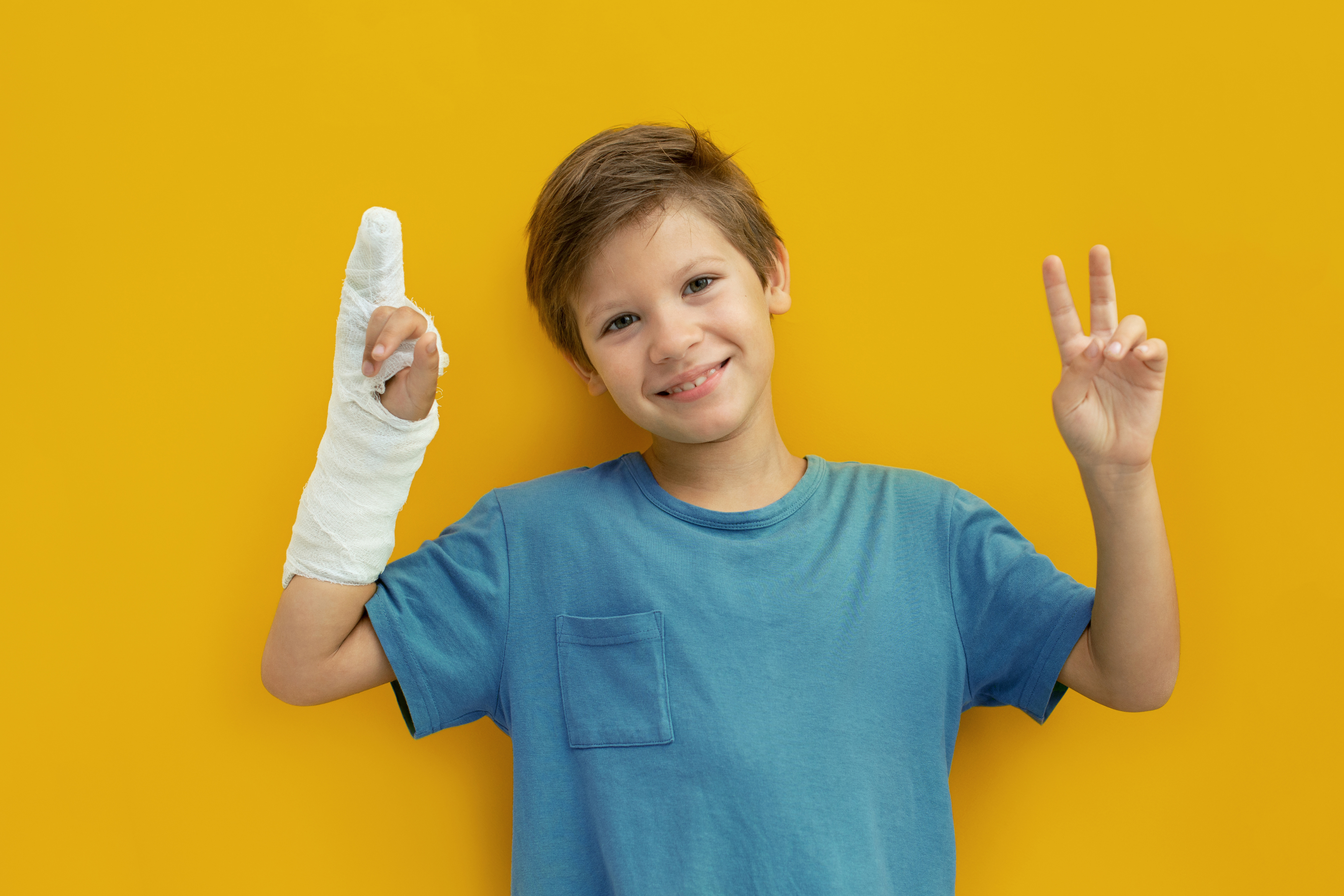
Pediatric orthopedics is a branch of orthopedics that examines the development of the musculoskeletal system from infancy to adolescence and deals with the diagnosis and treatment of disorders in this field. During the growth process, bones, joints, and muscles are constantly developing. Structural or functional problems that may occur during this process can directly affect the child’s quality of life.
Orthopedics and Traumatology Specialist Op. Dr. Lütfü Tatlı, who practices in Istanbul, is known for his scientific, ethical, and patient-centered approach in the early diagnosis and treatment of orthopedic problems in children. In accordance with the advertising restrictions in healthcare services, this article aims to provide general medical information and awareness in the field of pediatric orthopedics without personal promotion or guidance. Here are all the details about pediatric orthopedics…
What Is Pediatric Orthopedics?
Pediatric orthopedics is a special branch of orthopedics that takes into account the characteristics of a growing skeletal system. Children’s bones are more flexible compared to adults. Therefore, fractures or deformities may progress differently.
This field covers many topics such as congenital deformities, gait disorders, bone growth disorders, muscle diseases, scoliosis, and hip dislocation. Early diagnosis is vital for treatment success.
The Most Common Orthopedic Problems in Children
Various orthopedic problems can occur during childhood growth. If these problems are not noticed early, they can cause permanent effects in later years. Pediatric orthopedics plays an important role in this process. Other possible problems include:
1. Developmental Hip Dysplasia (Congenital Hip Dislocation)
It occurs when the hip joint is not adequately developed in infants. If not detected early, it can cause permanent gait disorders in later years. Ultrasonography enables early diagnosis, and treatment includes orthoses (Pavlik harness) or surgical methods.
2. Pes Equinovarus (Clubfoot)
Commonly known as “clubfoot,” this condition is characterized by the foot turning inward and downward at birth. If untreated, it may cause permanent walking difficulties. The Ponseti casting method generally yields successful results.
3. Scoliosis and Kyphosis
Scoliosis and kyphosis, characterized by sideways or forward curvature of the spine, are common during growth. Especially during rapid growth in adolescence, scoliosis may progress. Regular examinations are recommended for early diagnosis. Exercise and brace treatment are sufficient for mild cases, while surgical intervention may be required for advanced cases.
4. Flatfoot (Pes Planus)
A flat arch is normal up to a certain age in children. However, if it persists after age six, pathological flatfoot should be considered. The child’s walking pattern, shoe wear, and pain complaints should be carefully evaluated. Insoles or physiotherapy can provide support.
5. Growth Plate Injuries
Growth plates at the ends of children’s bones are sensitive. Fractures in these areas can disrupt growth balance if not properly treated. Therefore, every childhood fracture should be evaluated by an orthopedic specialist.
The Importance of Early Diagnosis
Orthopedic disorders in childhood can often be completely treated with early diagnosis. Parents should pay attention to the following signs:
Limping while walking
Inward rotation of feet or knees
Uneven shoulder height
One-sided limping
Persistent lower back or hip pain
When these signs appear, a pediatric orthopedic specialist should be consulted. Early intervention can prevent serious deformities later in life.
Pediatric Orthopedic Treatment Approaches
The treatment plan in pediatric orthopedics varies according to the child’s age, developmental level, and the type of disorder. Non-surgical methods are preferred whenever possible.
Pediatric Orthopedics: Physical Therapy and Rehabilitation
Through exercises that strengthen muscles, improve flexibility, and enhance balance, the child’s mobility can be increased. Regular exercise programs are especially effective in scoliosis and posture disorders.
Orthosis and Casting Applications
In congenital or acquired deformities, orthosis (supportive devices) and casting treatments help bones develop in the correct direction.
Pediatric Orthopedics and Surgical Interventions
In some cases, when the deformity is advanced or conservative treatments are insufficient, specialists prefer surgical methods. These operations are planned considering the child’s growth potential.
Gait Disorders in Children
Gait disorders are often a natural part of the growth process. However, persistent or progressive gait abnormalities may indicate an orthopedic problem. The most common gait issues include in-toeing, toe-walking, and limping. These conditions are evaluated through detailed examination and, if necessary, gait analysis.
Recommendations for Parents
Pay attention to shoe selection. Proper shoes support foot development.
Observe the child’s sitting and walking posture.
Schedule early doctor check-ups.
Do not ignore pain, limping, or deformities.
Choose age-appropriate physical activities.
These simple but effective steps help prevent serious orthopedic issues in the future.
Pediatric Orthopedics and a Multidisciplinary Approach
Pediatric orthopedic treatments require collaboration between physiotherapists, pediatricians, orthotist-prosthetists, and parents. This teamwork supports both the physical and psychological recovery of the child.
Op. Dr. Lütfü Tatlı and similar specialists aim to create personalized treatment plans through a multidisciplinary approach, ensuring that each child receives care suited to their developmental process.
In Summary: Early Awareness for a Healthy Future
Pediatric orthopedics is the foundation of a healthy future. Orthopedic problems that may occur during childhood growth can be resolved before becoming permanent with early diagnosis and proper treatment. For this reason, parental awareness and regular check-ups are essential.
Even the smallest differences noticed in your child’s development may require an expert evaluation. Early intervention is the key to a healthy life. Op. Dr. Lütfü Tatlı provides medical services in the field of pediatric orthopedics in Istanbul.
Op. Dr. Lütfü Tatlı is on Instagram!

