
Pain Treatment
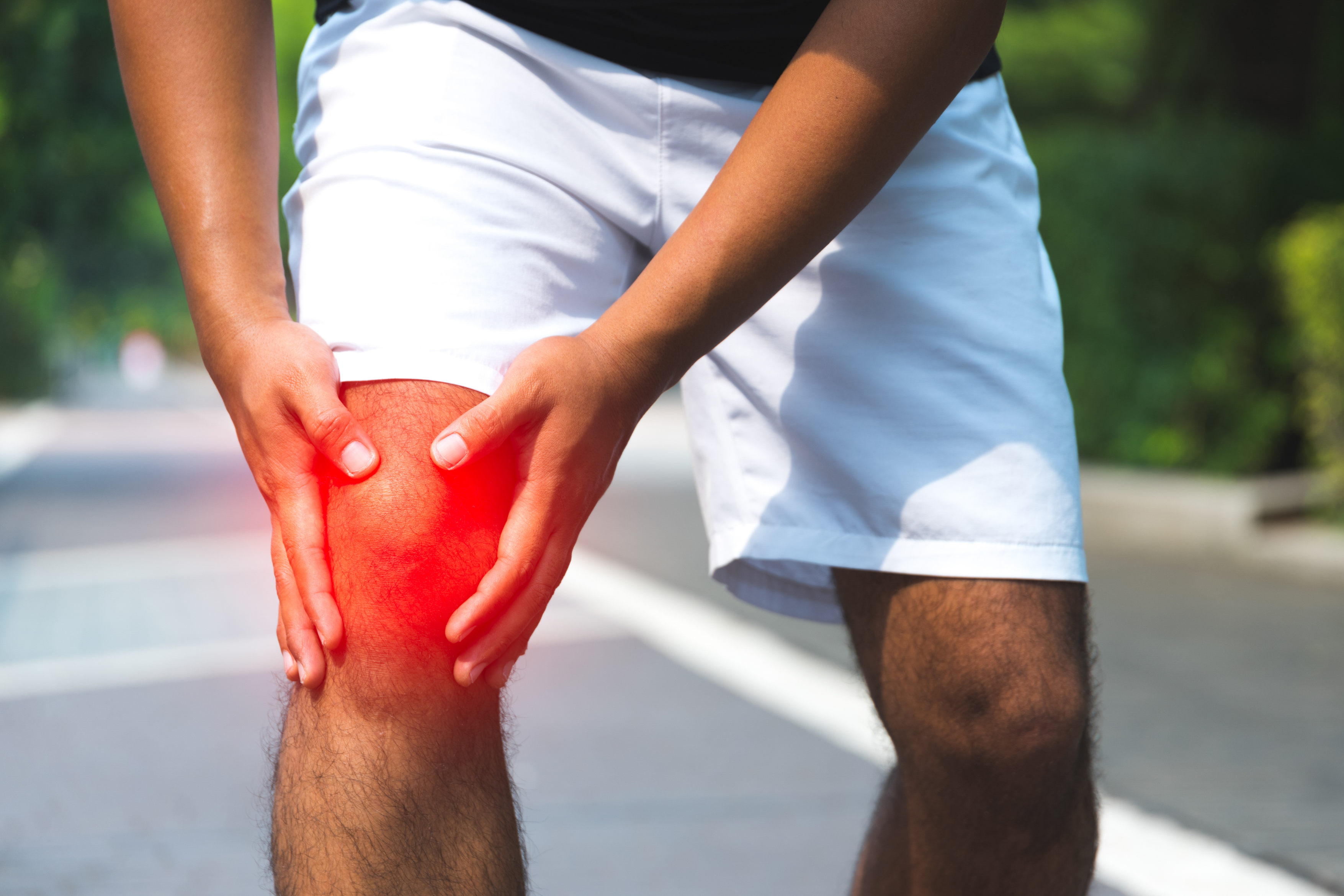
Pain Treatment in Orthopedics and Traumatology
Pain treatment in orthopedics and traumatology involves the management of pain caused by musculoskeletal disorders and aims to improve the quality of life for patients. Conditions affecting bones, joints, muscles, ligaments, and tendons can lead to pain, limited mobility, and loss of function over time. Today, effective solutions for pain management are available through advanced medical methods.
Methods Used in Pain Treatment
Medication Treatments
The first line of treatment usually involves medications such as nonsteroidal anti-inflammatory drugs (NSAIDs), muscle relaxants, and corticosteroids. These medications help reduce inflammation and control pain, allowing patients to move more comfortably.Physical Therapy and Rehabilitation
Physical therapy is a key method for alleviating musculoskeletal pain and enhancing mobility. Manual therapy, heat and cold treatments, electrotherapy, ultrasound therapy, and exercise programs are used to strengthen muscles and joints.Joint and Soft Tissue Injections
Injections into painful joints and soft tissues provide rapid pain relief and promote long-term healing.- Cortisone Injections: Reduce inflammation and alleviate chronic pain.
- PRP (Platelet-Rich Plasma) Therapy: Stimulates tissue regeneration with growth factors derived from the patient’s own blood.
- Hyaluronic Acid Injections: Increase lubrication within the joint and reduce pain from osteoarthritis.
Nerve Blocks and Neuromodulation Techniques
Nerve blocks work by preventing pain signals from reaching the brain, thereby reducing pain. In chronic pain cases, techniques like radiofrequency ablation (RFA) or spinal stimulation may be used for long-term pain control.Stem Cell and Orthobiologic Treatments
Stem cell therapy and orthobiologic injections activate the body’s healing mechanisms to regenerate damaged tissues. Stem cells derived from bone marrow or adipose tissue are injected into joints and ligaments to promote the repair process.Minimally Invasive Surgical Techniques
In cases of advanced joint and spinal issues, minimally invasive techniques such as arthroscopic surgery and minimally invasive spinal procedures are used to repair the tissues causing pain. These methods offer faster recovery and lower complication risks compared to traditional open surgeries.
Advantages and Effects of Pain Treatment
Orthopedic pain treatments help relieve pain, improve mobility, and enhance the daily lives of patients, often through non-surgical or minimally invasive techniques. With modern treatment methods, joint and muscle pain, sports injuries, and chronic orthopedic conditions can be effectively managed.
To control pain and live a healthy life, personalized treatment plans should be developed, and appropriate methods should be applied. Orthopedic pain treatment allows patients to step into a pain-free and active future by improving their quality of life.
Shoulder Surgery and Surgical Process
Shoulder surgery involves the treatment of injuries and degenerative diseases of the shoulder joint and surrounding muscles, ligaments, and tendons. As one of the most mobile joints in the body, the shoulder is prone to injuries, dislocations, arthritis, and muscle tears. Today, shoulder surgery is often performed using arthroscopic (minimally invasive) techniques, ensuring a faster recovery for patients.

